
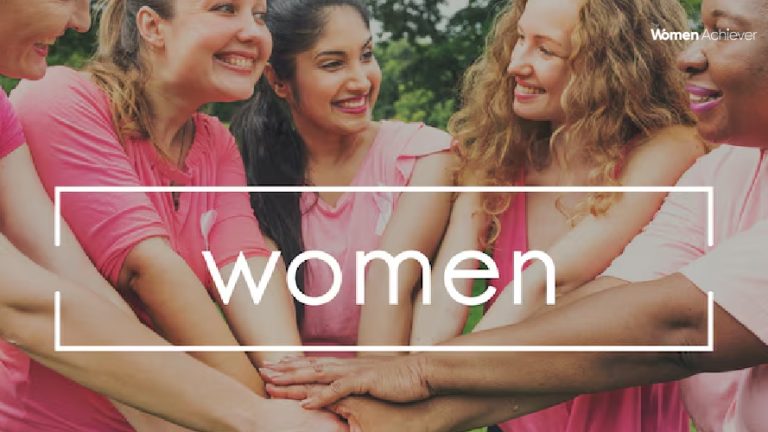
Herewith Women Empowerment 2026: From Policy Promises to Practical Progress
Gender issue, for several decades, has the most heated arguments, both in the world and in the policy arena. From putting mandates for diversity in boardrooms to programs for gender equity at the community level, governments and corporations put spokes in wheels to give traction, so to say. Now, however, what really tends to be debated is how to go from promises made to effects quietly seen; with the year 2026 almost upon us.
The Policy Era: Very Strong Intentions but Mixed Outcomes
The last ten years have seen a mad rush in setting gender policies. The quotas for women in leadership roles, maternity benefit reforms, equal pay legislation, and gender-budgeting initiatives are now perceived as mainstream from every regional context. “However, most of these policies are just monkey tricks of compliance without real stakeholder engagement.”
In 2026, it would not be sufficient for the policy makers to talk about representation, and they would have to be forced to talk about the structural blocks to realization of these reforms.
Access to Agency Redefined: The New Empowerment
Agency is the influence exercised over decisions themselves, systems, or changes. Only access gave definition to empowerment as access to education, jobs, or finance.
It hardly demands a scrounging for funding anymore; it demands just being recognized as having long-term investments for women entrepreneurs. Wellness talks are no longer with women professionals; they want to work flexibly based on performance. This further alteration suggests empowerment would have to mean more than autonomy, well-being, safety, and empowerment.
Optics versus Accountability in Workplace Reset
All of Corporate India and the grand enterprises around the world are now under fresh scrutiny. Untimely in fading out is accountability concerning gender diversity as employees and investors are biting into the numbers asking difficult questions. Who is getting promoted; who manages budgets; who leaves halfway in careers and for what reasons?
By 2026, these avant-gardists will bind gender results with metrics on the leadership performances. These would include those newly carved-out pay equity audits, pathways to return post-maternity leave, and AI-trojan recruitment systems.
Where Will and Design Are, Technology Can Also Equalize the Gender Power with Women
Women can benefit from technology, from equitable design as well as from intentional meaningfulness toward inclusive growth situations. Transform Opportunity Pipelines-ai-recruitment, digital skilling platforms, and fintech access for women-led businesses.
Least likely to be the above effect to aggravate discrimination against women by continuing targeted prejudice and trolling on social media and algorithmic biases. Progress, by no means, should count from 2026 forward if women are simply end users of the technology but not the designers, such as regulators and decision-makers shaping it.
The Grassroots Reach the Global: When Local Leadership Sings
The most subtle but potentially in the long run the most massive effect can be felt from street to global: all things to women in their local settings. For indeed, localized women’s actions bring impacts where policy meets practice: self-help groups and climate action collectives; leadership by panchayat and urban community enterprises.
Such community-led initiatives have been gaining some traction as worthy validation examples that empowerment scales best when women act as implementers rather than merely beneficiaries.
Accountable Impact Measurement
Today it is impact indicators such as income stabilization and safety from harassment at workplaces and online that are counted meaningful as impact indicators.
Transparency as to data and gender-sensitive reporting will definitely hold institutions accountable for bringing actual outcomes by 2026.
Conclusion: Women empowerment is beyond bold declarations in 2026; it is sustained execution. Progress will entirely depend on how efficiently these policies will be converted into lived experiences, across workplaces, digital spaces as well as communities.
Systems would be the kind that can outlive performative inclusion, and thus be the enablers of power, resilience, and long-term leadership for women of future generations. Only then will empowerment cease being a promise and become reality.




Add comment