
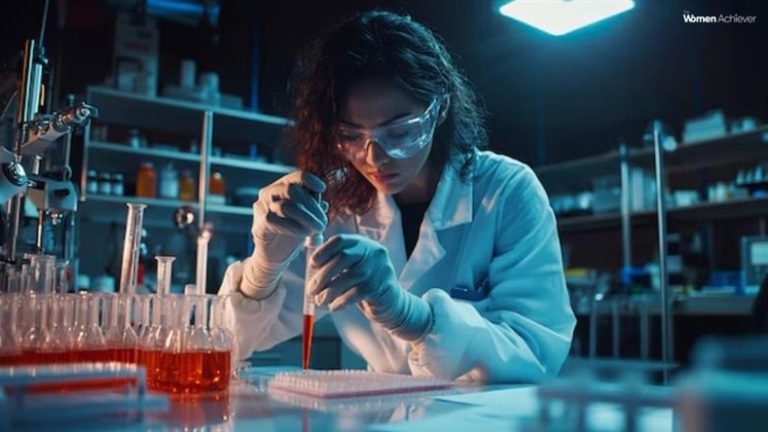
Here’s about Why Women Scientists Continue to Fight for Credit in a Male-Dominated Field
The scientific community faces two recognition challenges which stem from scientists having secret achievements and the ongoing institutional discrimination that scientists experience until 2026.
A Legacy of Overlooked Contributions
The historical record demonstrates how women scientists encountered two common problems which included their work being ignored and their achievements being wrongly credited to male scientists. Rosalind Franklin played a significant role in discovering DNA structure yet people failed to recognize her work during her lifetime.
Lise Meitner made important contributions to nuclear fission discovery yet she did not receive proper recognition during the Nobel Prize awards.
The stories reflect a broader pattern because they demonstrate a systemic exclusion that operates throughout multiple contexts.
The “Matilda Effect” in Science
The Matilda Effect describes the tendency to undervalue women’s contributions by attributing their accomplishments to male individuals.
Women authors still experience academic bias which leads to their research papers receiving fewer citations while their work gets discredited. Existing bias continues to influence how academic institutions assign recognition in academic research and educational settings.
Modern-Day Challenges Women Scientists Face
Bias in Recognition and Awards
The majority of top research awards go to men who constitute less than one third of all male scientists. Research findings show that women scientists who perform the same research as men receive less recognition than male scientists.
Authorship Inequality
The authorship inequality problem affects research partnerships because female researchers cannot achieve lead author status and senior author status which are essential for their career advancement.
Funding Disparities
The system of research funding access functions as a fundamental barrier which hinders academic research activities. Women scientists undergo funding evaluation processes which require more detailed assessment than male counterparts, resulting in them receiving reduced grant amounts.
Workplace Culture and Visibility
Male-dominated research environments restrict women from obtaining leadership positions on high-profile projects which include public presentations and mentorship opportunities.
The Role of Representation and Leadership
Scientific representation serves as a vital element which promotes both equity and scientific progress. The recognition of Jennifer Doudna and Katalin Karikó, two scientists, has created a positive impact which helps girls to envision themselves as future scientists.
The scientists who achieve visibility throughout the scientific community work to create an environment that welcomes people from diverse backgrounds while combating outdated stereotypes.
Conclusion: Women scientists throughout history have made their most important scientific discoveries yet society has failed to acknowledge their achievements. The recognition battle continues despite some recognition achievements.
The scientific community needs to develop better recognition standards because existing bias systems create obstacles to talent development, which requires scientists to receive recognition based on their scientific achievements.




Add comment