
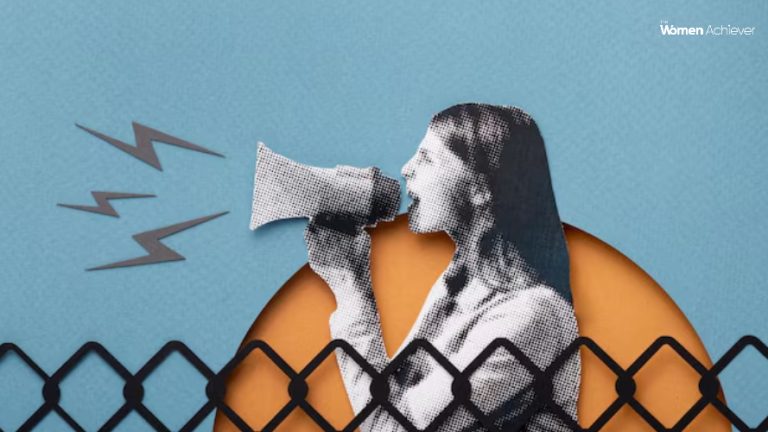
Here is about the UN Sounds Alarm on Rising Digital Violence Against Women
These days online abuse goes unnoticed as the victims fade into ever-expanding screens. But the UN had to ring the loudest bell: digital violence against women is increasing at an alarming rate. Cyberstalking, deepfake abuse, online harassment, gendered disinformation: threats are increasingly unseen, increasingly felt, and markedly dangerous for women in today’s world. It seems the digital space, once seen as an empowering tool, now tarnishes that image and is fast becoming a contested space for safety and dignity.
Behind screens, a crisis is brewing.
They are not recognized even by the United Nations as so many instances of online violence appear to be so petty and unworthy of great attention, and many women seem predestined to a life of fear-from the backlash and victim blaming to meager hope of actual redress from authorities. This ends up creating an eerily silent emergency brewing in the dark corners of the internet.
Internet-based violence has its outcomes in real life. Victims fall ill with anxiety, become less socially involved, or show signs of depression, with some threats purporting to infiltrate both worlds. For example, women appear to live with constant and organized harassment either by journalists, activists, or even businesswomen.
Types of Digital Violence Afflicting Women
Acts of digital violence take various forms, all in the design of reducing the credibility, confidence, and autonomy of their victims, mainly women. These fall into key categories;
Cyberstalking
Cyberstalking creates a climate of fear for the woman, making her feel that she is being watched or tracked. There are so many cases where an unfortunate individual has to deal with it day in and day out.
Deepfake/Image-Based Abuse
Deepfake technology, morphing videos and pictures, and sharing intimate content without consent for purposes of shaming or humiliation.
Online Harassment and Trolling
Misogynist comments, threats, defamation, and hate campaigns are used to silence women voicing their opinion especially regarding social injustice.
Doxxing and Data Leaks
Revealing sensitive information, such as addresses, phone numbers, and names of employers, that could lead women into physical danger.
Gendered Disinformation
Gendered disinformation refers to fake news cast against women leaders, influencers, and professionals designed to question their character or competence.
Psychological and Social Frenzy
Digital violence robs women not only of security but also of opportunity. Many women limit their public engagement, avoid leadership positions, or silence their own voice in fear of harassment. This exclusion extends to digital modern exclusion as the new exclusion where digital participation is an important determinant for socioeconomic mobility.
Conclusion: Ending digital violence is thus not only about stopping women from being abused, but also protecting democracy, innovation, and human rights in all of which are endangered in reality when women cannot feel safe. Empowering a woman enables her to actively participate in public life and economic streams, which greatly adds to the global discourse.




Add comment