
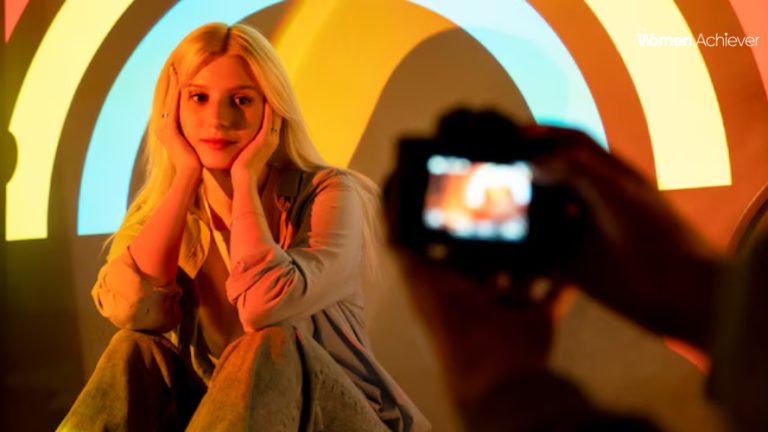
Here’s about how women’s perspectives shape documentary and social photography
Documentary and social photography have been powerfully used as proverbial calling cards to reality, spurring meaningful conversations and social activation toward change for years. Yet for decades, their massive footprints in the field were so singularly male voices: those that would tell different stories-and the many ways in which those stories would be told. With more and more women accruing space behind the lens, the visual language of truth-telling is becoming a new territory. They are endearing, intimate, nuanced: further emboldening what can be viewed from the community, the crisis, and everyday living.
A Lens Rooted in Lived Experience
Women normally employ personally and collectively lived lenses when documenting subjects. Their work tends to foreground the socioeconomic concerns, which are, in most instances, underinvestigated- gender injustice, health inequities, domestic labor, motherhood, transnational migration, and identity. Instead of viewing subjects from a distance, they create space for voices that deserve to be heard.
This perspective brings deeper emotional engagement such that audiences do not only see the act but have an experience of the act in feeling the stories.
Human-CenteredNarration over Spectacle
The major difference with women’s documentary work is that it does not engage sensationalism. Rather than reducing struggle to shock value, many women photographers build trust and long-term relationships with the communities they capture. Hence, storytelling is authentic and respected since it carries layers and is not only observational.
Their images seek to provoke thought in the viewer as to what is being perceived, in turn offering dignity where society has ignored it.
Reframing Power and Representation
Such power relations are altered by women photographers capturing the moment whereby the camera does not get established as an instrument of control. Rather than that, it will serve as a tool for adjustment and empowerment-inviting subjects as participators in defining their own narrative.
Non-extractive representation, where the subject can gain part of their identity and agency, is ensured in the shift.
Deepening the Issues and Social Impact
Women documentary projects are beginning to jointly tackle some of the complicated social realities:
- Climate change and community resilience
- Maternal healthcare and women’s health
- Refugee and migrant experiences
- LGBTQ+ representation
- Violence, survival, and rebuilding
Their visual work often becomes more than art-it drives activism, influences policy conversations, and mobilizes global support.
Emotion is A Strength, Not Vulnerability
For generations, emotion in journalism has been considered unprofessional or weak. Women have stood up to that, proving that the emotional truth lies at the very heart of human connection and social change. They embody aesthetics infused with advocacy to show that sensitivity is no weakness-it is a transforming force.
Conclusion: As more and more women begin to walk the walk in documentary and social photography, that very much underexposed eye of the world gains access to stories told in honesty, compassion, and courage. Their perspectives not only transform what we see—they transform how we come to understand one another. And, at a time when visual narratives increasingly shape public consciousness, women’s voices behind the camera are not just important but critical to building a more just and empathetic world.




Add comment