
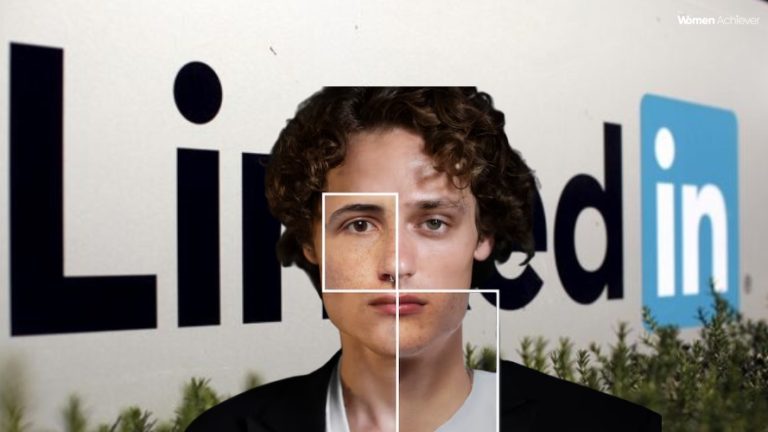
Disguised as Men, Women Reveal Hidden Bias in LinkedIn Engagement
Although it is a digital era branded as progressive and equal, a social experiment brought out disconcerting revelations: gender bias is not solely an offline construct and has put itself with quite a lot of force into the online world, especially on professional sites such as LinkedIn. Many of these successful women have had it with the invisibility granted to their valuable posts, and so decided to try the system by reposting the same content under male identities, then watching what would happen next: it is shocking and highly telling.
The Unmasking
The experiment recorded an immediate upsurge of LinkedIn action for each person connection linked to male identity dismissed with likes, comments, or from the author, collaborations requests. The only very apparent thing: credibility and power still sit somehow at subconscious levels with anything masculine. Suddenly, women found their posts recognized rather than dismissed merely by swapping apparent identity.
The Gap in Gender Perception
This exposes a bitter truth: even in professional online communities, a woman has to work extra hard to gain respect. Unconscious biases, which question female expertise and leadership, persist and shape interactions, opportunities, and visibility. Indeed, those biases admit that this case is not merely structural inequality but also psychological, an outcome of behavior that has established itself quite conventionally in everyday situations.
Initiating the Conversations
Such disconcerting discoveries generated vital conversations on how platforms, organizations, and individuals need to rethink with whom and how they engage online. It was seized by male allies to share, comment, amplify women’s voices. In this vein, professional networks and organizations are also taking a second look at the systems that add value to engagements that seem to further bias.
Moving Forward
To convert this stated reality into a better one requires:
Loudly and proudly uplifting women’s voices.
Educating everyone about unconscious biases.
Establishing equal conversation and visibility for women on digital platforms.
Establishing robust professional communities to provide a safe environment for diverse voices.
Conclusion: It has been said again and again that women’s voices deserve to be heard, respected, and taken seriously for who they are rather than through a facade of male identity as has so often been the case. By that standard, we should be able to say that no real progress will be made until every thought shall be expressed according to merit, not gender. The real victory will be when women speak their minds with nobody robbing them of that expression or engagement by their agency of compulsion but receive the credit for it. Connecting all of those notions is really about dignity in cyberspace. Digitization equity is much more than giving fairness; it has everything else to do with innovation and so much more to bring about national development.




Add comment