
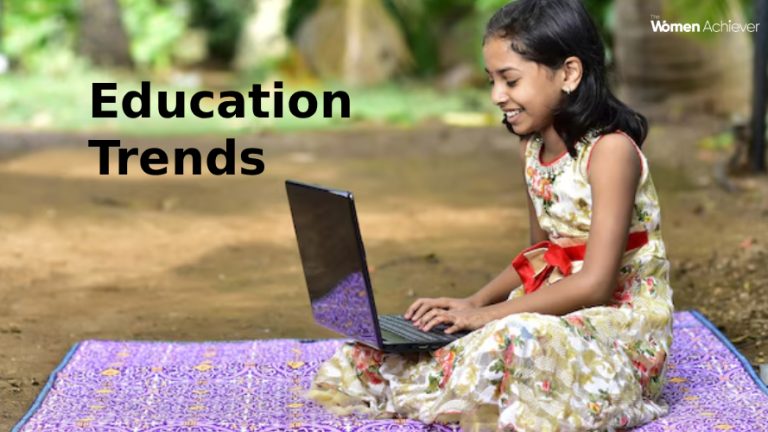
Here’s about 5 Youth Education Trends Closing Rural-Urban Gaps for Girls
The lack of school access and digital resources forces rural girls to drop out of school because they cannot access educational materials. The new youth-focused education trends create educational equity by providing equal learning opportunities to girls who live in different geographic areas.
The Digital Classrooms Reaching Remote Villages
Mobile learning applications and low-bandwidth educational technology platforms together with community digital centers, provide girls who live in rural areas with access to high-quality educational resources. The recorded lessons and vernacular content enable students to study at their preferred speed, which helps them achieve educational parity with urban schools.
The Hybrid Learning Models in Government Schools
The rural government schools now, allow teachers to use online educational tools as their main teaching equipment. The educational resources that girls access in rural areas match the resources and teaching standards found in urban educational institutions, which includes smart boards and tablet-based curricula and virtual mentorship programs.
The STEM Exposure at an Early Age
Targeted STEM programs for young girls—especially in rural schools—are challenging gender stereotypes early. Girls can explore future career possibilities through coding clubs and science bootcamps and robotics workshops which were previously limited to “urban-only” job opportunities.
The financial incentives for school attendance together with the academic performance rewards function as monetary benefits which enable girls to extend their time in school. The secondary education scholarships together with higher education scholarships help students, who face economic difficulties or early marriage or household responsibilities, to continue their studies.
The Community-Led Mentorship & Role Models
The local youth mentors and female educators together with the community role models, create a powerful impact that helps to develop positive community attitudes. The peer-learning groups together with community leadership programs, motivate families to support their daughters educational path and their future ambitions.
Conclusion:
The educational trends show that girls need both infrastructure and access and aspiration and agency for their rural-urban gap to be closed. The community will benefit from the knowledge and opportunities that girls will bring back to their entire community.




Add comment