
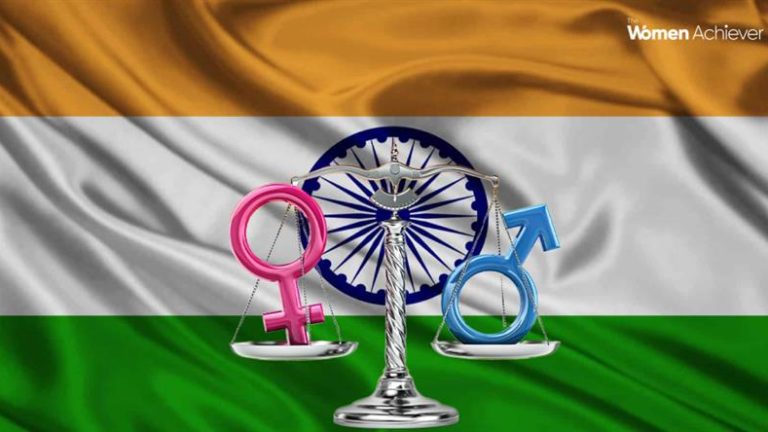
Here is India’s Corporate Gender Divide: Progress Stalled at the Top.
While India may boast of increasing numbers of women in the workforce, this hardly tells the whole story. Closer examination reveals something dark: progress declines very sharply at the top. For instance, while an entry- and mid-level representation looks to improve in terms of gender representation, the overwhelming portion of the leadership roles remain male-dominated. What remains is a corporate gender divide that very much prohibits equity and potential for economic development.
Gains at the Bottom, Gaps at the Top
Indian companies certainly appear visible progress over the last decade regarding increased hiring of women into junior and middle management positions. Diversity hiring initiatives, campus recruitment drives, and flexible work policies opened doors for women to access the corporate pipeline.
However, such gains do not transform into leadership. Boardrooms and C-suites still speak of structural exclusion — a reflection of the underrepresentation of women in decision-making positions despite similar qualifications or higher.
The Leadership Bottleneck
The biggest blockage usually occurs at that critical transition point where women are moved from middle-management status to becoming senior leaders. It is the infantilization of female promotions at these critical periods in their careers due to inflexible work cultures, few sponsors, and unconscious biases in performance evaluations.
Nevertheless, women continue to be dissimilar evaluated for their potential as leaders. Assertiveness usually earns a punishment; ambition raises questions; and commitments towards caregiving responsibilities are presumed to result in reduced commitment-all manifesting into a ceiling that is much harder to break than the old glass ceiling.
Boardroom Representation: Compliance Versus Commitment
Companies have had to fulfil mandatory compliances to have at least one woman director on the board. Despite this, even if numerical representation is enhanced, it does not translate into actual power. The vast majority of women directors are merely appointees in nonexecutive or symbolic positions-with little or no say in strategy-making or governance.
Cultural Barriers Within Corporate India
Corporate cultures are still very encouraging of long hours and constant availability, plus informal male networks at best disadvantage women, especially those sharing the burden of balancing demands of personal life and work. Mentorships tend to be skewed, even though sponsorship from the top levels is rare among women.
Without such a systemic cultural transformation, efforts at diversifying will tend performative than substantive.
The Importance of Gender Parity at the Top
The absence of women in the senior decision-making levels cannot only be a social failure; it is, at the same time, a business failure. Diverse teams in leadership allow for better governance under risk and opened possibilities for sustainable growth. By excluding women at higher levels of roles in an enterprise, that enterprise restricts innovation and weakens long-term competitiveness.
Leadership diversity is no longer an option, but a strategy, in a rapidly changing economy.
The Way Forward: From Pipeline to Power
To address India’s corporate gender divide, organizations must not measure them by the mere metrics of hiring, but actually join them to the outcomes in leadership. Among these would be criteria for promotion that are prompt and transparent, structured sponsorship programs that are easily accessible, flexible models of leadership, and accountability that is tied within diversity goals.
Most critical is for organizations to understand that gender inequity will not be remedied by “fixing women” but by fixing systems that never really included an opportunity for inclusion.
Conclusion: India is now standing at a cross-sectional point. While participation has improved, power remains concentrated at the top. As progress remains incomplete without equal representation, potential stays unrealized. Thus, no true change takes place until women are at par level with men in leadership as well as decision-making roles.




Add comment