
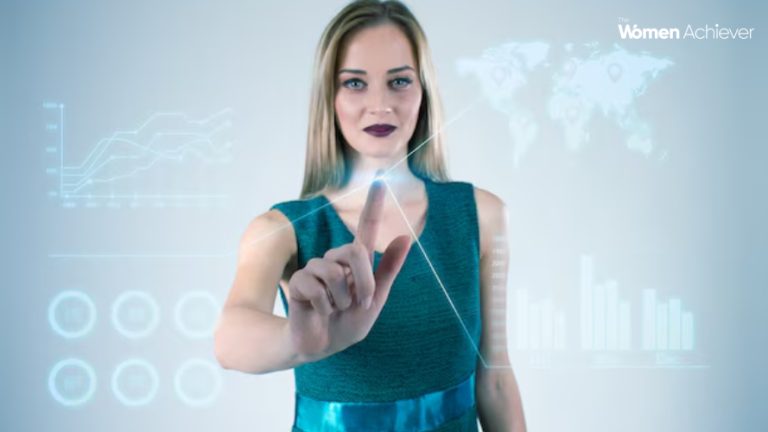
Here’s about 2026 Outlook: Women Power Drives the Next Wave of Consumption
By 2026, women will not just be a critical consumer segment; they will be setting the agenda for global demand. With rising incomes, greater financial independence, and increasing participation in decision-making, women are setting new rules about what the world buys, which brands sell, and which businesses prosper.
The companies that have a genuine understanding of the changing priorities of women have triumphed over those that do not in industries across the board. Women’s purchasing power is now sending waves of change from increasingly digital-first shopping habits to values-driven spending.
MarketShapers
Women influence the majority of household and personal spending considerations anyway; in the next five years, they will evolve from being influenced to being outright controllers. Increasingly, it is women who are pulling the strings behind the investment decisions, leading the procurement strategies, and setting up consumer-facing startup companies and fundamentally shaping the demand articulating landscape around quality, transparency, and long-term value versus mere impulse purchase.
The new frameworks are being developed from day one with the women’s perspective in mind, rather than as an afterthought. Such a new baseline would advocate for size inclusivity, novel financial services, health-related solutions, or flexible solutions.
Credibility in Life
In 2026, women-led consumption represents a new category of modern consumption-this time decidedly value-oriented.Increased recognition of sustainability, socially aware sourcing, data protection, and social benefits mean that these concepts are no longer niche considerations; they have entered center stage in brand selection.
Women consumers reward those brands that seem to adhere to their values while punishing those that seem to take an insincere position on the issue.
Digital confidence births new consumption habits
These new consumption habits are fuelled by women’s digital confidence from fintech apps to AI shopping assistants through social commerce and creator-run marketplaces.
This new digital confidence fuels demand for emerging categories that are bound for strong growth through 2026: financial literacy tools, wellness technologies, and subscription services for education.
Upraisin WomanRiC
Woman entrepreneurs actually create or rather demand the demand. WomanRiC successfully addresses gaps disregarding women’s needs in beauty, health, fashion, food, and fintech. Given the greater engagement with their community and credibility among their customers, it is no surprise that these companies grow the fastest.
Consequently, owing to these very trends, increasing amounts of capital are pouring into women-founded startups, redefining consumption into being a more diverse, inclusive, and resilient economy.
Implications for Brands and Policymakers
One thing that will come to the fore very clearly from the consumption wave in 2026 is that women’s economy cannot afford to be offended. Brands should be focusing on inclusive designs, clear communications, and appreciation for engagement at this time. This momentum could very much be thrust forward by the policymakers by fostering inclusion of women within the workspace, entrepreneurship, and financial inclusion.
Conclusion: Women in 2026 do not simply drive consumption; they redefine it. Next-level growth will belong to organizations able to see women as strategic economic players and not merely as end-users. In this economy, women are not only lead players; they are leading the market.




Add comment