
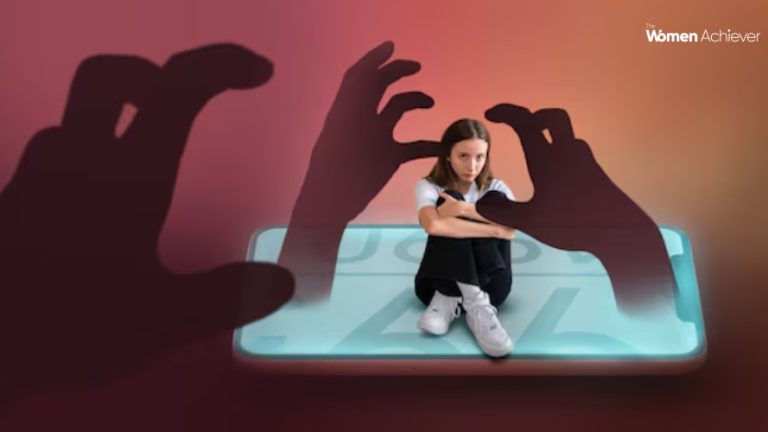
Here’s about How Social Media Amplifies Abuse Against Women in Power
In the digital age, social media has become a powerful platform for connection, activism, and public discourse. Yet for women in positions of power—politicians, journalists, executives, and activists—it has also become a battlefield. What should be a space for dialogue often turns into an arena of harassment, hate, and gender-based abuse.
A New Arena for Old Biases
Misogyny isn’t new, but social media has given it a louder microphone. The anonymity and reach of online platforms enable individuals to express sexist and violent sentiments without accountability. For women who dare to speak up or lead, their competence and character are often undermined through gendered insults rather than reasoned debate.
While male counterparts may face criticism for their policies or ideas, women often face comments about their appearance, voice, family life, or even threats of sexual violence. The abuse is not merely personal—it’s political. It reinforces the message that power still “belongs” to men and punishes women for challenging that norm.
The Emotional and Professional Toll
This digital harassment is not harmless “trolling.” Studies show that online abuse can cause severe emotional distress, anxiety, and burnout. Many women in public life report self-censoring or withdrawing from social platforms to protect their mental health. Some even reconsider their careers entirely.
The result? A chilling effect that discourages women’s participation in public and political spaces—a loss not just for the individuals targeted, but for democracy itself.
Algorithms and Amplification
Social media algorithms play an invisible yet critical role in this cycle. Content that provokes outrage or engagement is often prioritized, meaning that hateful or inflammatory posts can spread faster and wider than supportive ones. As a result, abuse not only persists but is rewarded with visibility.
Collective Responsibility and Change
Tackling online abuse against women in power requires a multi-layered response.
Platform accountability: Tech companies must strengthen reporting mechanisms, enforce anti-harassment policies consistently, and reduce algorithmic amplification of harmful content.
Legal reform: Governments should update cyber laws to protect individuals from gendered harassment while safeguarding free speech.
Cultural change: Society must challenge the normalization of misogyny—online and offline—by calling out abuse and supporting women who face it.
Conclusion: Women in power have always faced resistance, but the digital age has intensified the hostility. The same platforms that can elevate voices can also destroy them. Recognizing how social media amplifies abuse is the first step toward reclaiming it as a space for equality, not intimidation. Empowering women to lead—without fear—must be a collective priority in the fight for a more just and inclusive digital world.




Add comment